

Complete Jeep Overland Setup Guide: Roof Rack, Lighting, Storage & Trail Accessories
A complete Jeep overland setup is not built by adding random accessories. It is built by solving real travel problems in the right order. A long-distance Jeep needs more usable cargo space, better night visibility, cleaner tool access, a practical way to carry fuel or water, and safer access to roof-mounted equipment. When each part has a clear purpose, the vehicle becomes easier to pack, easier to drive, and easier to use on the trail.
Many Jeep owners start with one upgrade, such as a roof rack or auxiliary lights. That is a good beginning, but overlanding usually requires a system. The roof rack handles bulky equipment. A rear window storage panel keeps tools and small gear accessible. A Jerrycan kit separates fuel or water from the cabin. A-pillar lights improve trail-edge visibility at night. A door hinge step helps reach roof cargo without carrying a separate ladder.
This guide explains how to build a complete Jeep overland setup with roof rack, lighting, exterior storage, Jerrycan support, and practical access upgrades.
Start with the Real Trip, Not the Parts List
The best Jeep overland build begins with the trip style. A short forest-road weekend does not need the same layout as a desert route, a multi-day mountain trip, or a remote camping build. Before choosing accessories, owners should think about distance, terrain, weather, passenger space, cargo type, and how often each item needs to be accessed.
A daily-driven Jeep also needs a different balance from a dedicated trail vehicle. Accessories should make the Jeep more useful without making normal driving inconvenient. The goal is not to cover every possible mounting location. The goal is to create a build that supports real use.
The Five Core Zones of a Jeep Overland Build
A practical Jeep setup can be divided into five zones: roof cargo, side storage, fuel or water storage, night visibility, and roof access. Once each zone has a purpose, the vehicle becomes easier to organize.
| Build Zone | Main Purpose | Recommended Upgrade |
|---|---|---|
| Roof | Large cargo and camping equipment | Aluminum roof rack |
| Side rear window | Tools and quick-access accessories | Rear window storage panel |
| Door hinge area | Fuel or water support | 10L Jerrycan kit |
| A-pillar | Side-forward night visibility | A-pillar spotlight and mount |
| Door area | Roof access and utility support | Folding door hinge step |
Start with a Roof Rack for Cargo Expansion
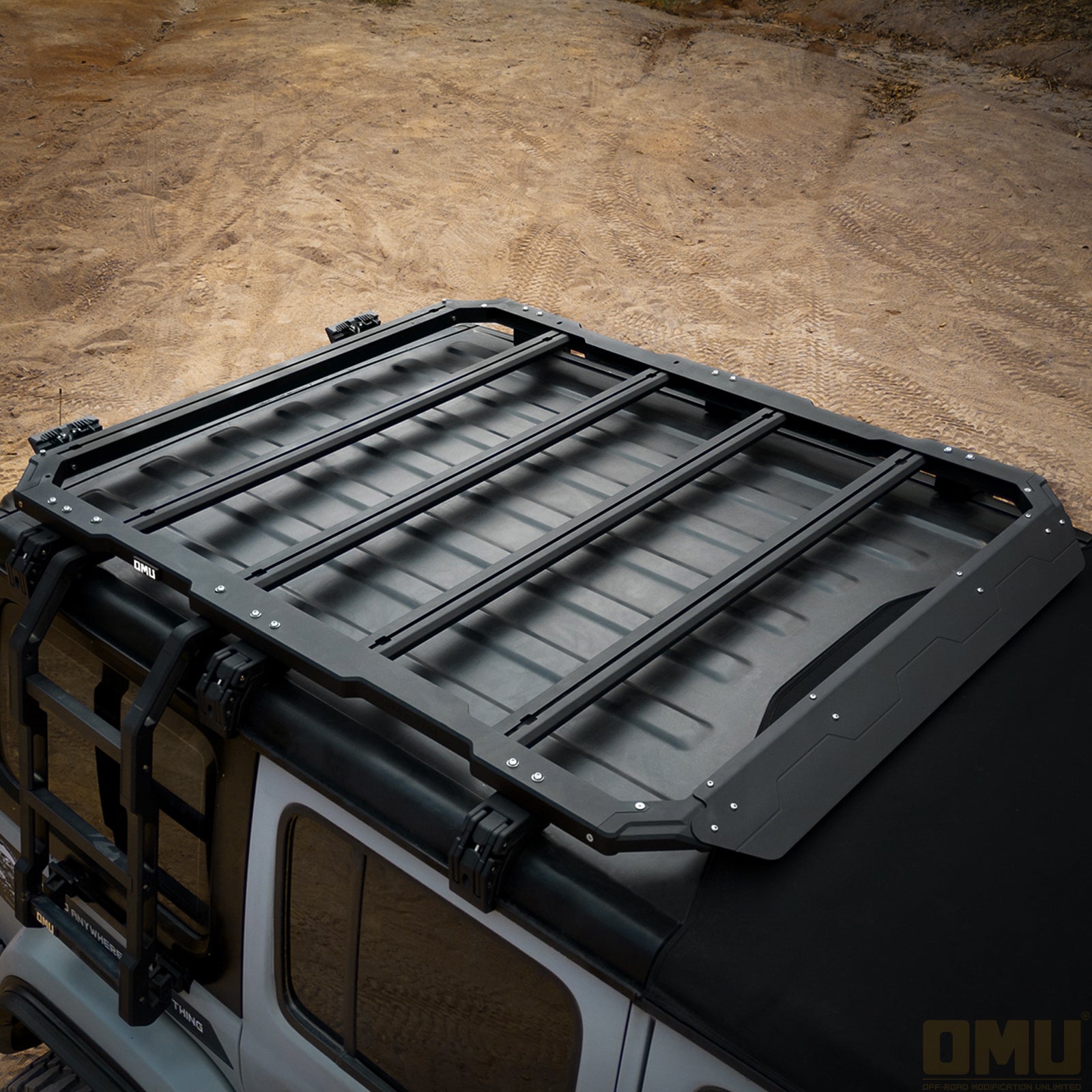
A roof rack is often the foundation of a Jeep overland setup because it creates space without filling the cabin. Storage boxes, recovery boards, camping bags, awning gear, and lightweight bulky items can be moved to the roof. This helps keep the interior available for passengers, food, electronics, clothes, and protected equipment.
The roof rack should be used with planning. Heavier items should be managed carefully, and frequently used gear should be placed where it can be reached. A clean rack layout makes camp setup faster and reduces the need to dig through the rear cargo area.
ROOF CARGO FOUNDATION
Add Side Storage for Tools and Trail Gear
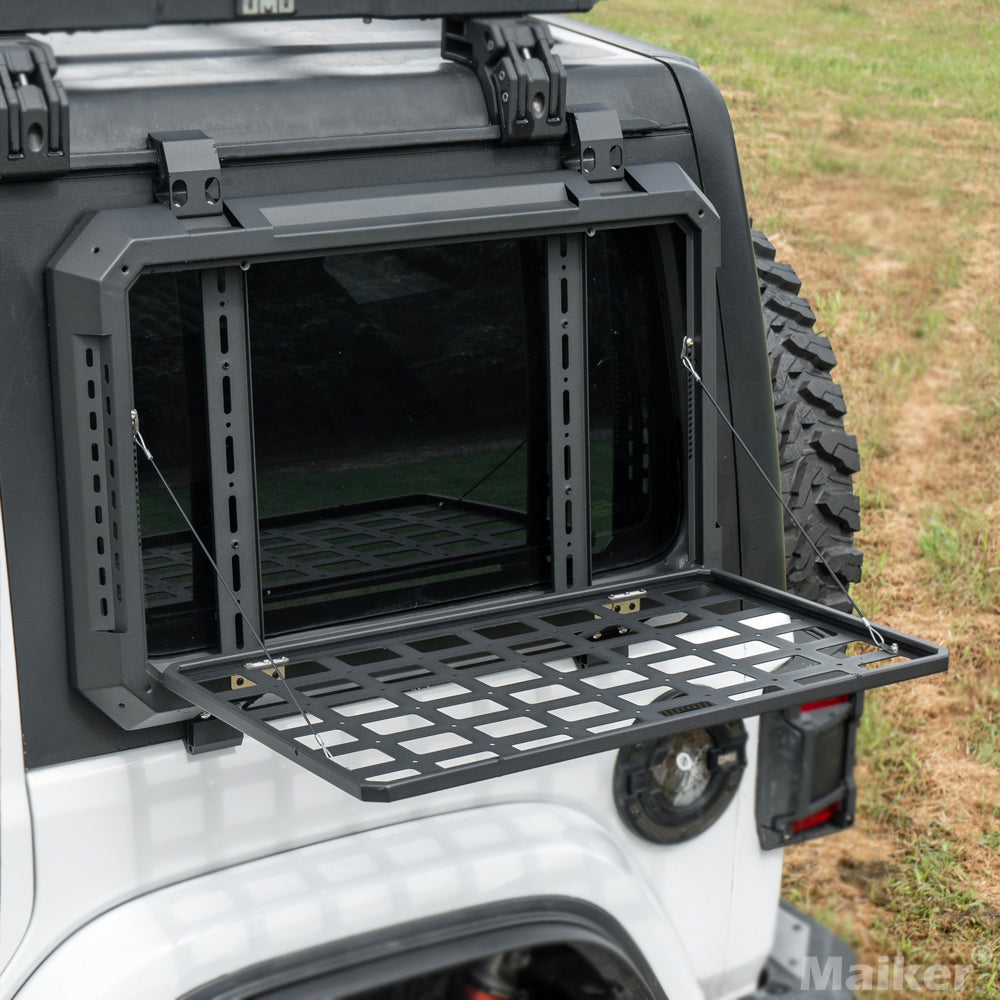
Once the roof is used for bulky cargo, the next challenge is small gear organization. Recovery gloves, shackles, straps, flashlights, tool rolls, tire repair items, camp accessories, and MOLLE bags should not disappear under luggage. A rear window storage panel gives these items a visible and accessible position.
This is especially useful for trail stops. When the driver needs tools or recovery accessories, the gear can be accessed from the outside of the vehicle. This keeps the cabin cleaner and reduces the need to unload packed bags every time a small item is needed.
SIDE ACCESS STORAGE
Separate Fuel and Water with a Jerrycan Kit
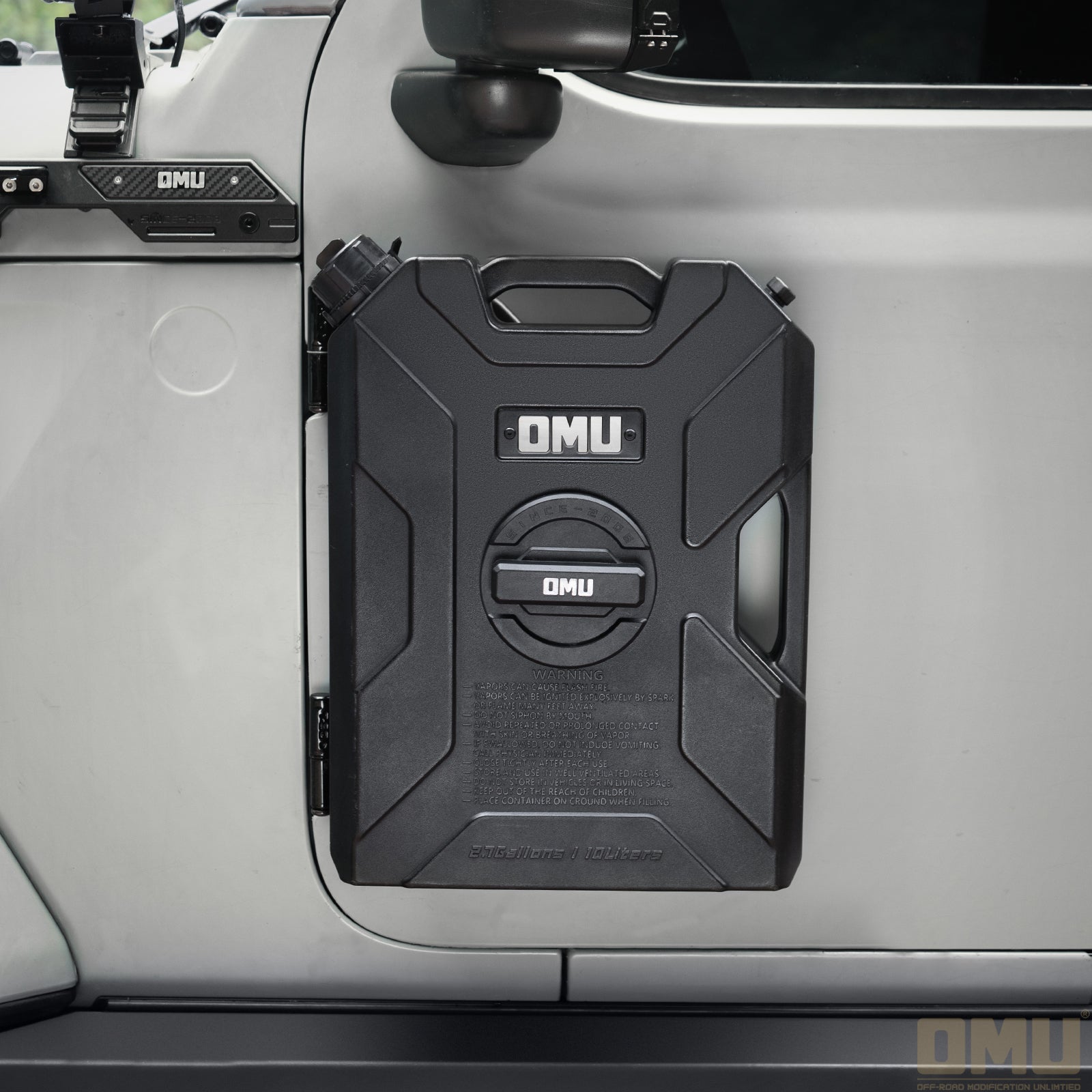
Fuel and water should have a dedicated plan. Placing containers inside the cargo area may work for a short trip, but it can quickly interfere with luggage, tools, and camp equipment. A Jerrycan kit helps move liquid storage outside the main cabin and gives the driver a fixed access point.
For overland travel, this separation is valuable. The roof can carry bulky equipment, the side panel can organize tools, and the Jerrycan kit can support fuel or water storage without mixing everything into one crowded cargo space.
FUEL & WATER SUPPORT
Plan Lighting Around Real Night Visibility
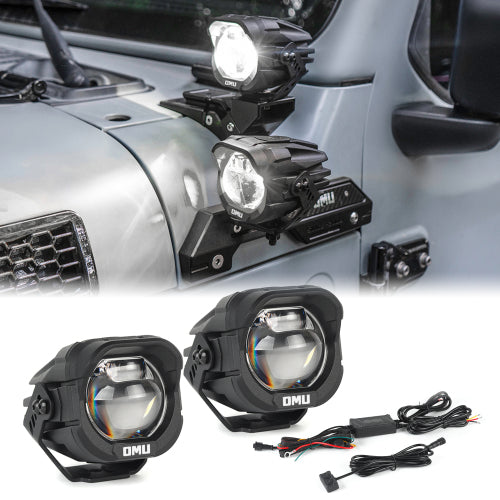
A complete overland setup should also include practical night visibility. Factory headlights are useful on pavement, but trail driving often requires light at the front corners and side-forward zones. A-pillar lights are helpful because they illuminate areas that the headlights may miss during turns, campsite entry, recovery work, and narrow trail driving.
The key is placement. A compact spotlight paired with a stable A-pillar mount can create a cleaner lighting setup than adding oversized lights everywhere. The driver should see trail edges, ditches, brush, and obstacles without creating unnecessary hood glare.
TRAIL VISIBILITY UPGRADE
Do Not Forget Roof Access
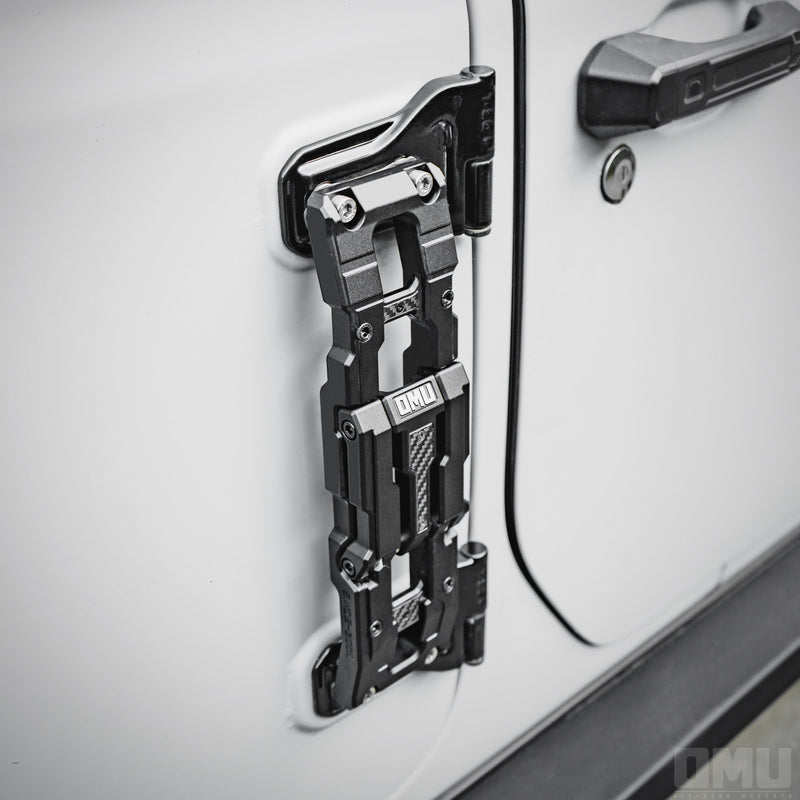
Once cargo moves to the roof, access becomes part of the build. Owners often focus on the rack itself but forget how they will reach storage boxes, straps, recovery boards, or camp gear. A folding door hinge step gives the driver a more practical way to reach roof-mounted equipment without carrying a loose step or standing awkwardly on the tire.
This kind of utility accessory is small, but it supports the entire roof storage system. For overland use, it can make loading, unloading, and checking roof cargo easier during both daily preparation and trail travel.
ROOF ACCESS SUPPORT
A Balanced Setup Works Better Than a Heavy Setup
A complete Jeep overland build should not become overloaded. Every accessory adds weight, changes access, and affects how the vehicle is used. A roof rack should carry the right cargo, not every piece of gear. A Jerrycan kit should be used responsibly. A side storage panel should organize tools without becoming overloaded. Lighting should be aimed for visibility, not just brightness.
The strongest build is balanced. Cargo, tools, fuel, lighting, and access should each have a clear location. When the setup is planned this way, the Jeep becomes easier to drive and easier to live with on long trips.
Build the Jeep Around Practical Trail Use
A complete Jeep overland setup is not defined by how many accessories it has. It is defined by how well those accessories work together. Roof rack, side storage, Jerrycan support, A-pillar lighting, and roof access each solve a different problem. When combined correctly, they turn a Jeep into a cleaner and more capable travel platform.
For owners planning longer trail trips, the best strategy is to build in stages. Start with cargo expansion, then add storage organization, fuel or water support, night visibility, and roof access. That creates a setup that is useful on the road, practical at camp, and reliable on the trail.
Explore Jeep overland accessories for your next build →
Frequently Asked Questions
What should a complete Jeep overland setup include?
A practical setup usually includes cargo expansion, exterior storage, fuel or water support, auxiliary lighting, recovery gear organization, and a safe way to access roof-mounted equipment.
Is a roof rack necessary for Jeep overlanding?
A roof rack is not mandatory for every trip, but it is very useful when carrying bulky camping equipment, storage boxes, recovery boards, or long-distance travel gear.
Why use exterior storage instead of only interior cargo space?
Exterior storage helps separate tools, fuel, water, and bulky gear from protected cabin items. This keeps the Jeep cleaner and easier to organize during long trips.
What lights are useful for Jeep overlanding?
A-pillar lights are useful for side-forward visibility, while bumper or roof lights can support other lighting zones depending on the terrain and driving style.
Why add a door hinge step to a Jeep build?
A door hinge step makes it easier to reach roof cargo, storage boxes, recovery boards, and rack-mounted gear without using a separate ladder or unstable footing.
How should I build my Jeep overland setup in stages?
Start with the biggest problem first. Most owners begin with cargo space, then add tool organization, fuel or water storage, lighting, and access accessories as trip demands increase.